Services: Art Direction + Illustration
Facilitator: London College of Communication
Collaborators:
Concept Designers: Clorama Dorvilias, Wajeeha Abbasi, Matthew Lyall
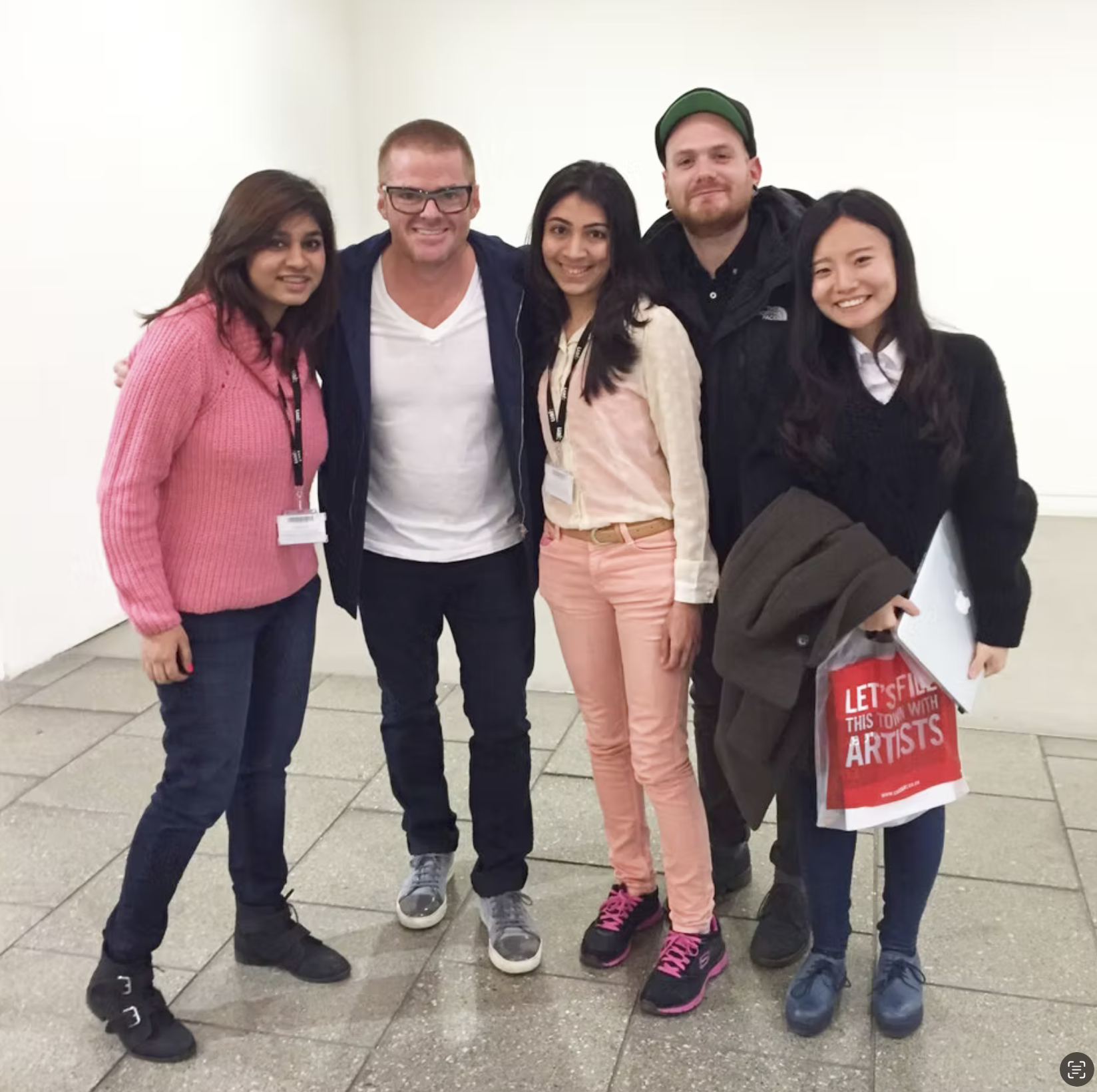
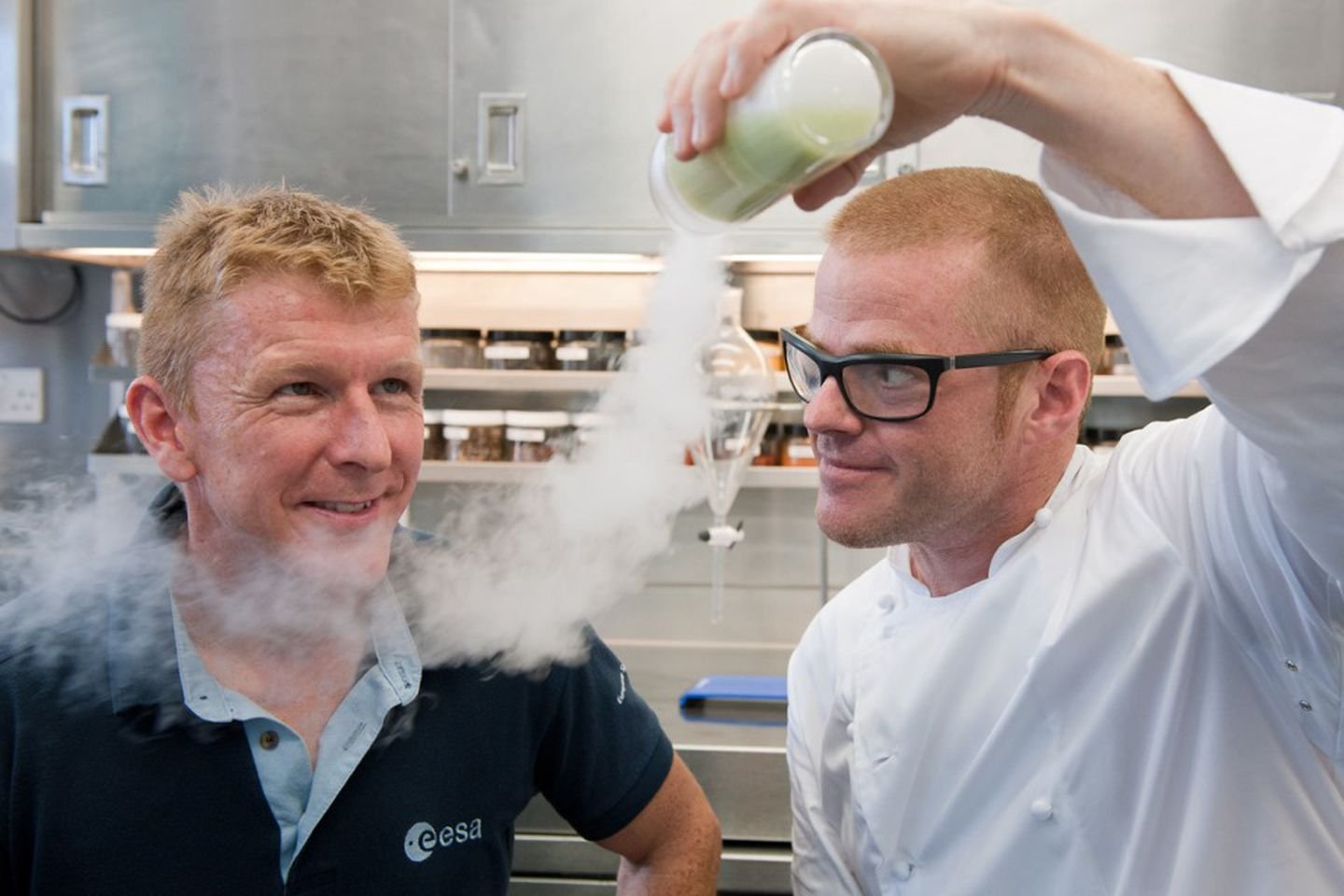
Execution Team: Lorenzo Davitti, Anabelle Alias, Saachi Mehta, Tianju DuanPhotograph: David Levene / The Guardian
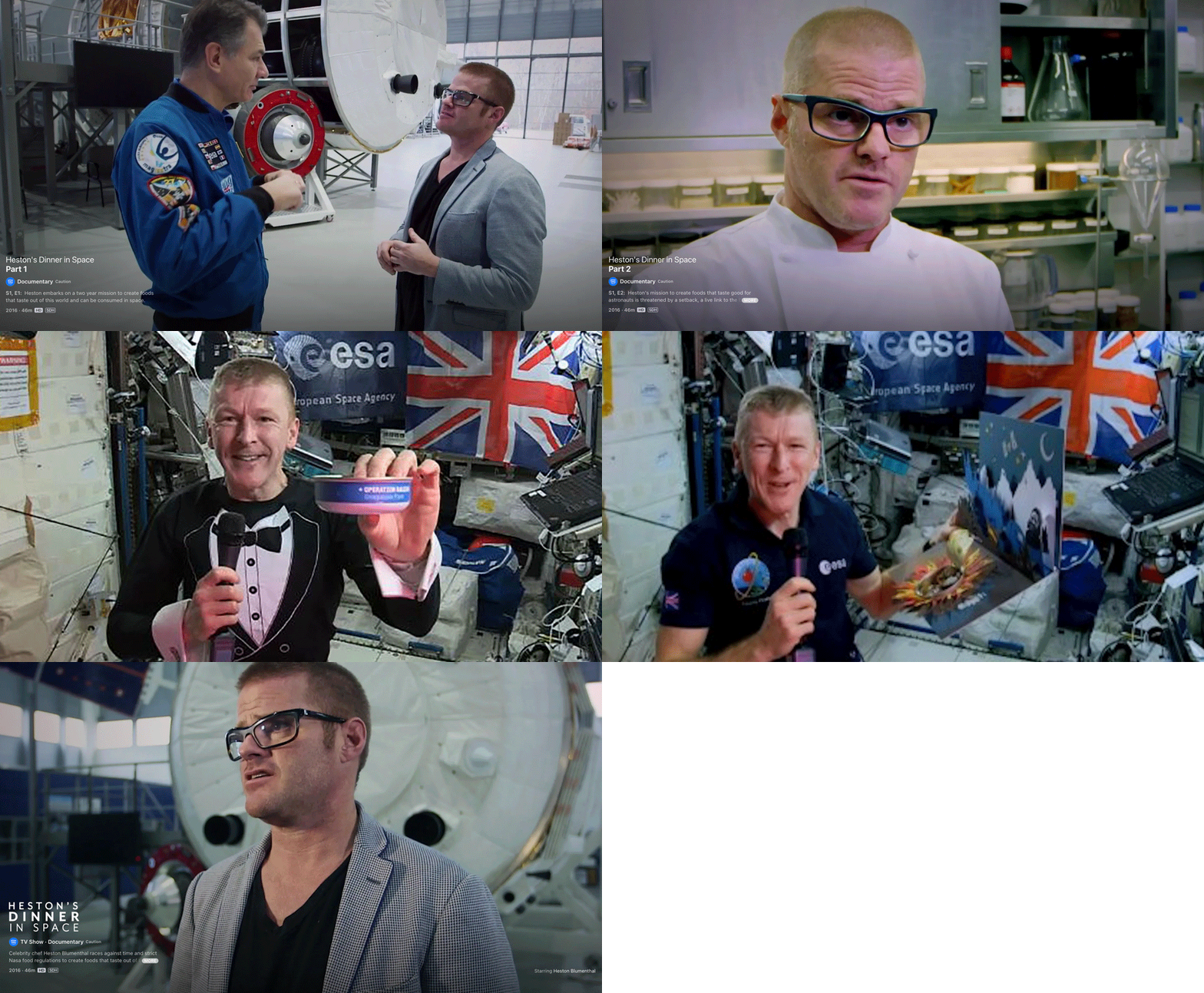
‘Heston’s Dinner in Space’ Documentary
Exploring food packaging beyond earth
Watch the Full Documentary on Apple TV:
OVERVIEW:
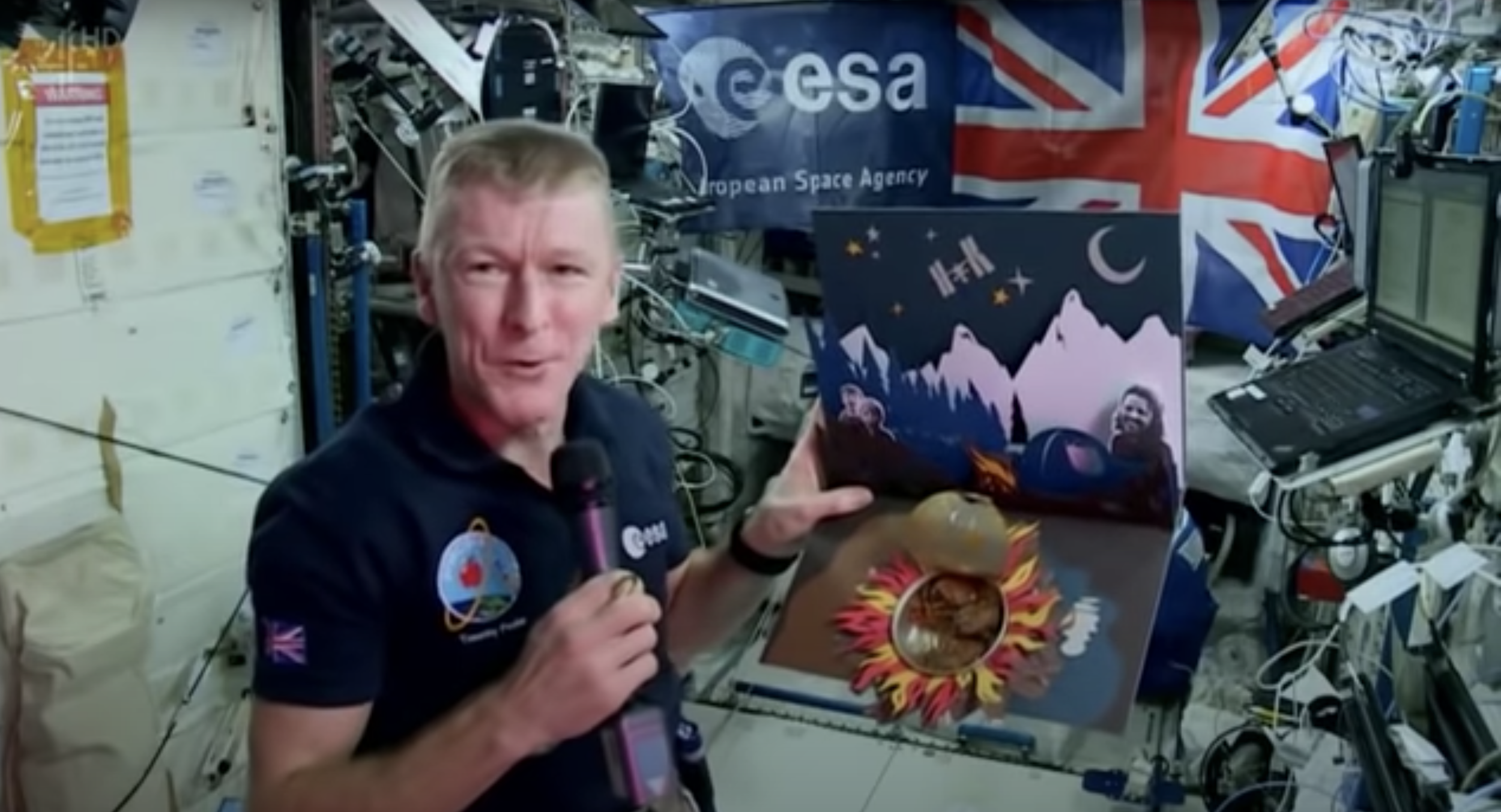
In 2016, British astronaut Tim Peake joined Mission Principia, a six-month mission aboard the International Space Station (ISS) with the European Space Agency (ESA). Before lift-off, Peake challenged Michelin-starred chef Heston Blumenthal to create a series of dishes that would remind him of home while living in space.
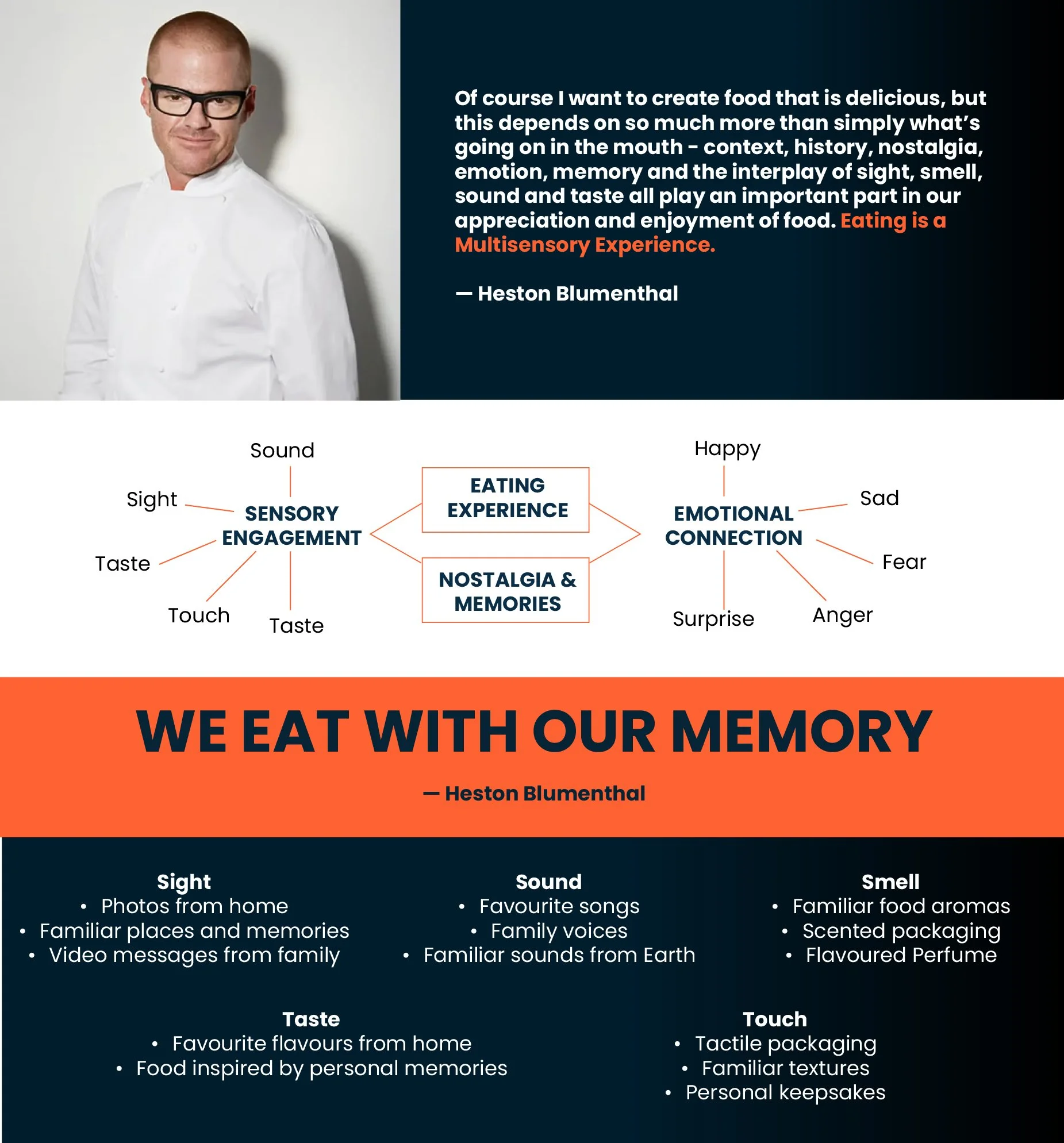
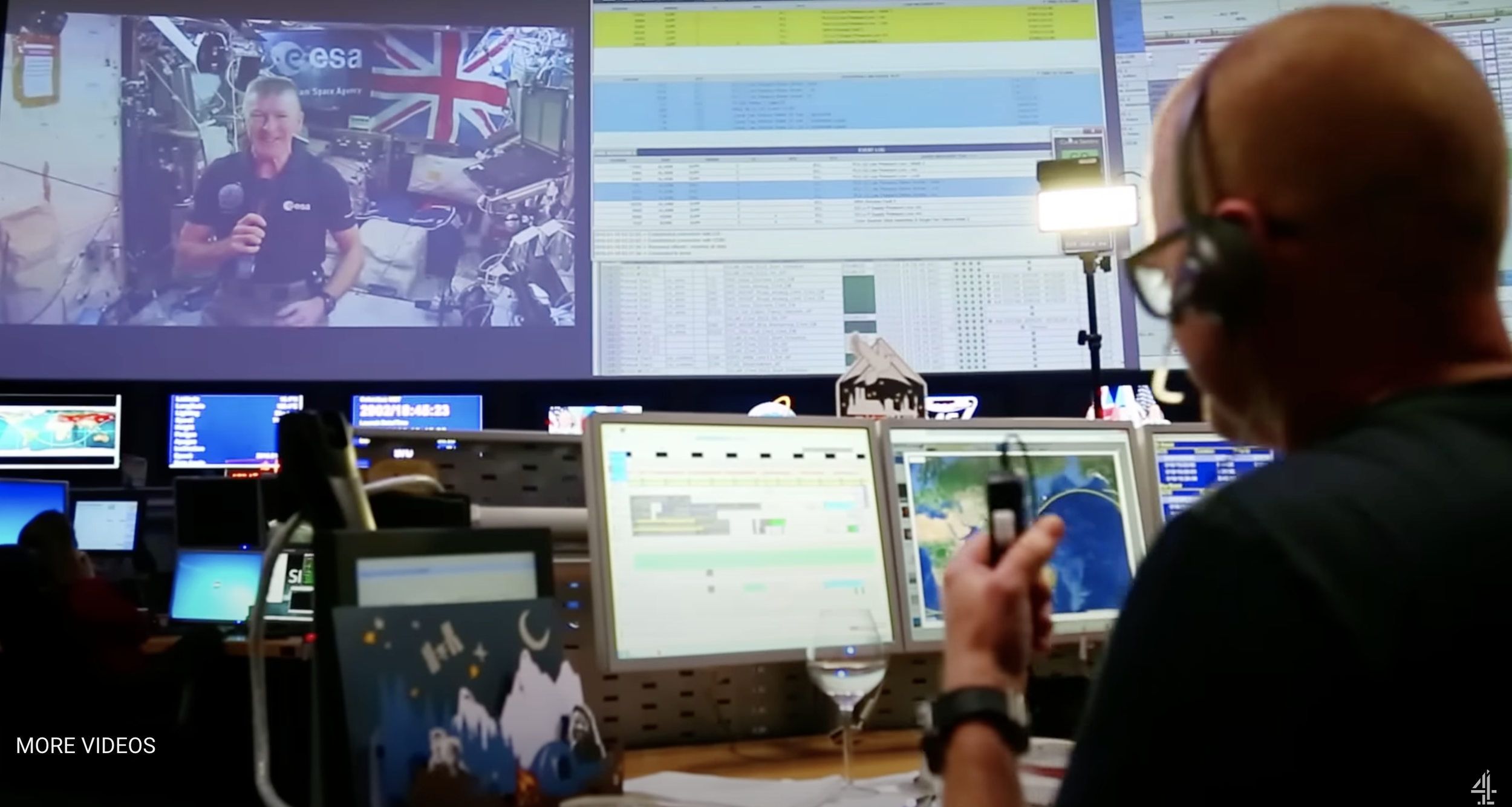
Developed in collaboration with Heston Blumenthal, NASA and Channel 4 for the documentary Heston’s Dinner in Space, the project explored how food and mealtimes could become a more emotional and sensory experience in space.
OBJECTIVE:
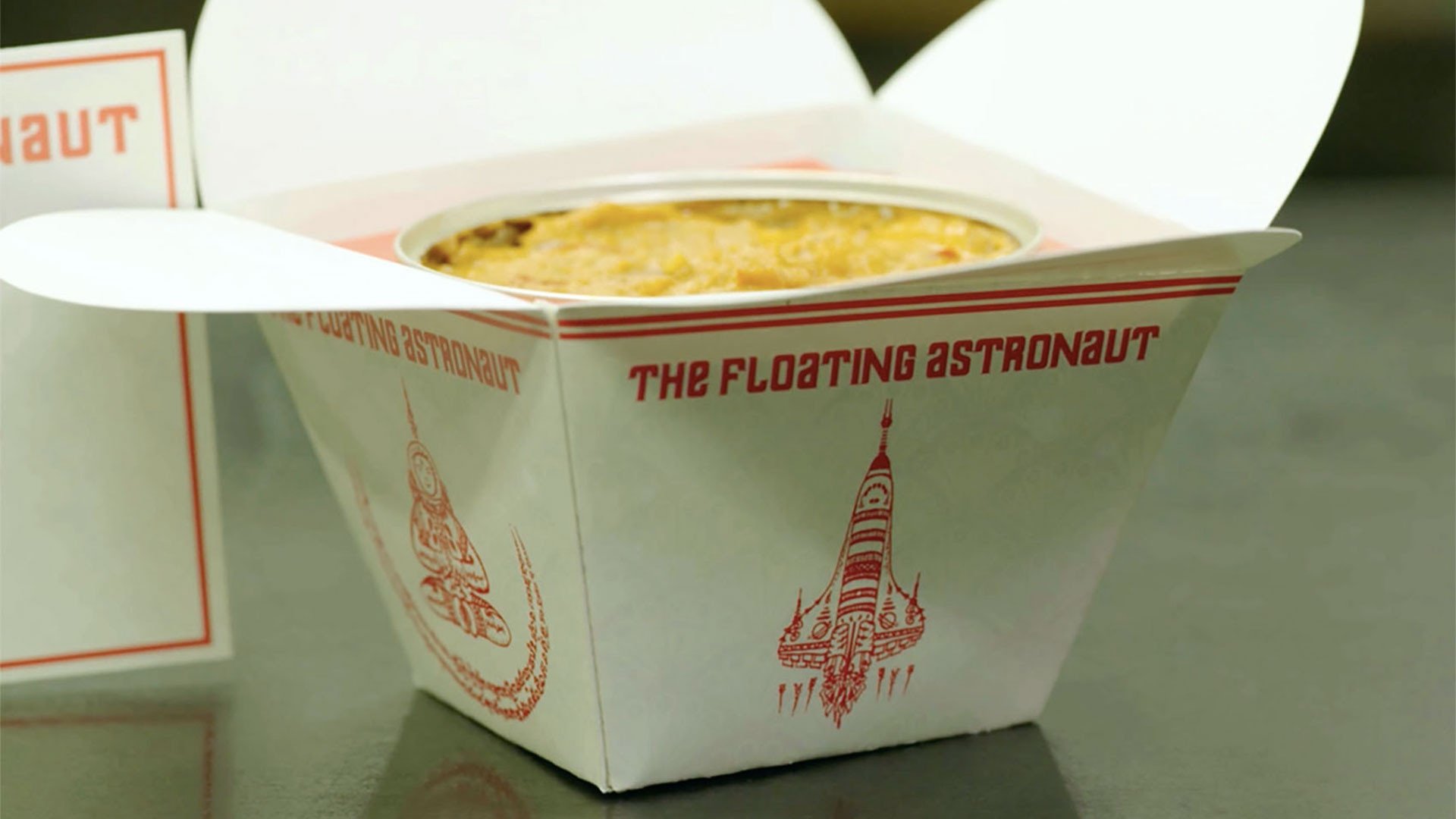
The challenge was to design a multi-sensory and nostalgic dining experience for Tim Peake, including packaging for Heston’s specially developed dishes and supporting elements that could bring a sense of home, familiarity and memory into the experience of eating aboard the International Space Station.
SCOPE:
Concept Development
Experience Design
Packaging Design
RESEARCH:
The concept used storytelling as a design tool to reconnect Tim Peake with life on Earth.
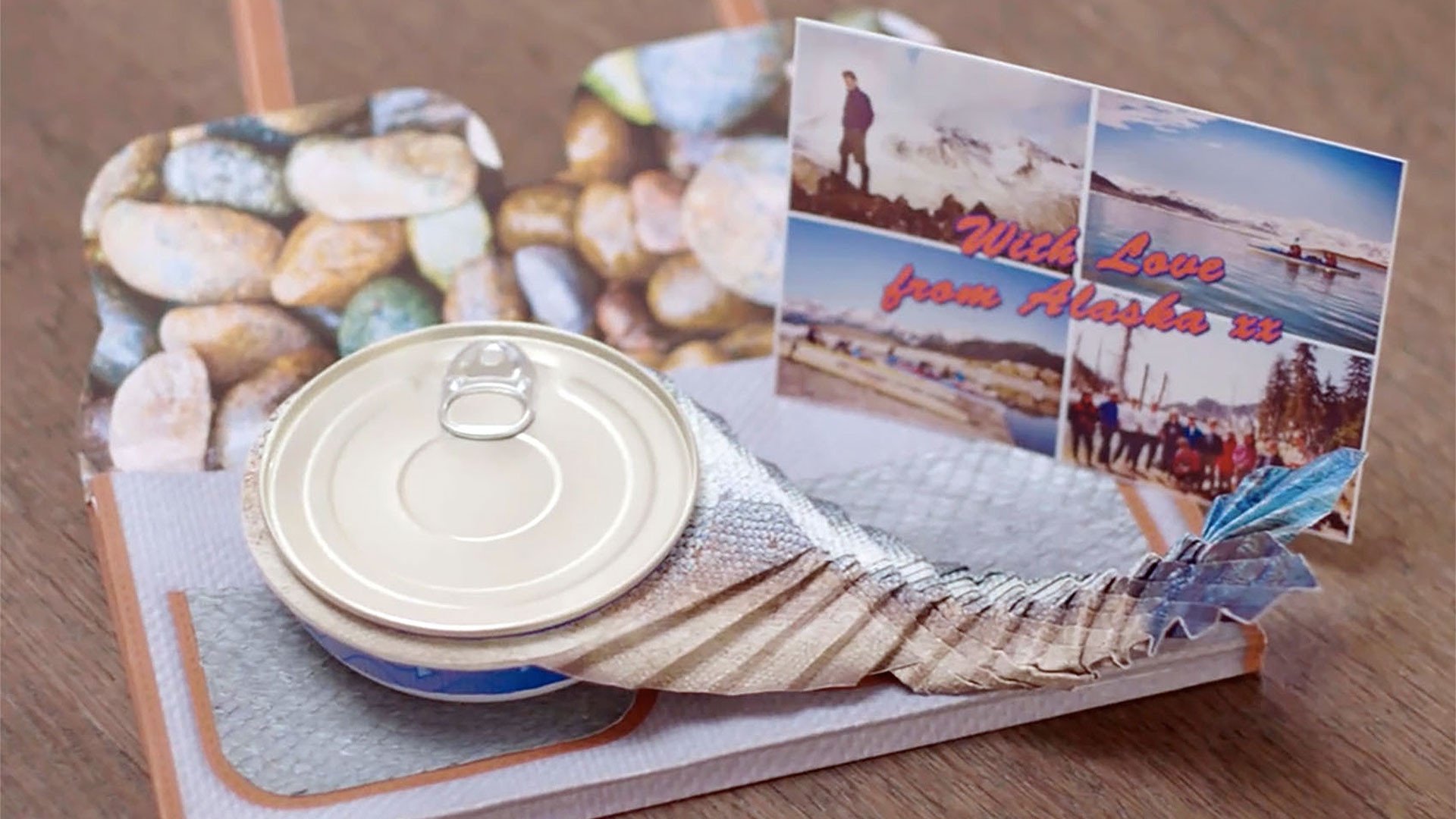
Drawing from his personal memories, including family, childhood and defining moments from his life, the packaging was designed as a series of layered, interactive experiences that gradually revealed these stories through imagery and tactile details.
Rather than treating food simply as functional sustenance, the project explored how memory, familiarity and emotional connection could become part of the dining experience in space, turning mealtimes into moments of reflection and connection with home.
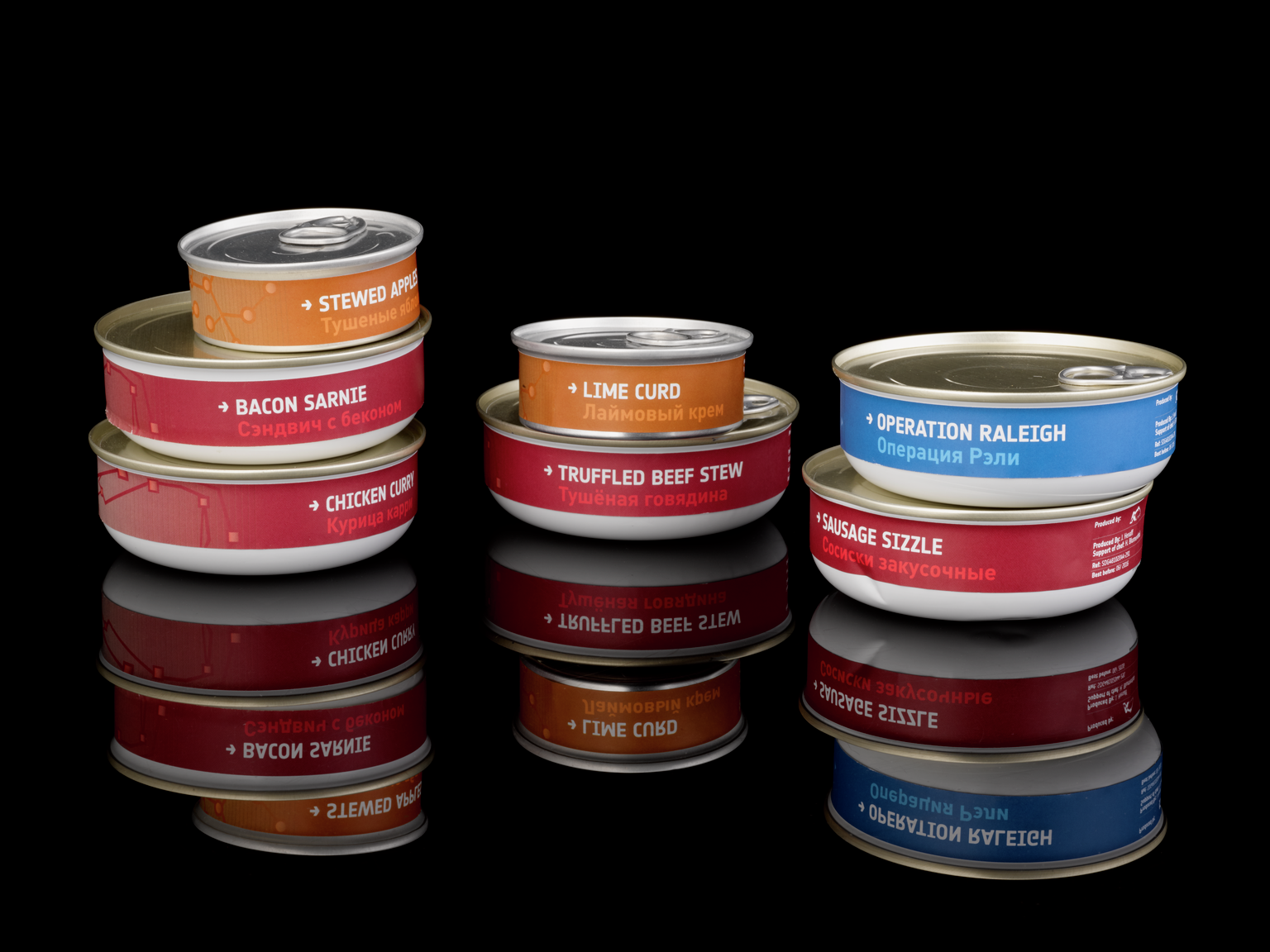
Food Packaging and Experience Design Guidelines for Space
Food can only be packaged in two sizes of tins
Only paper, cardboard and plastic can be used to design the experience
Digital content can be created in audio, image and video formats and made available through an iPad.
All products and packaging must be as small, lightweight and compact as possible to meet weight and space restrictions.
EXECUTION:
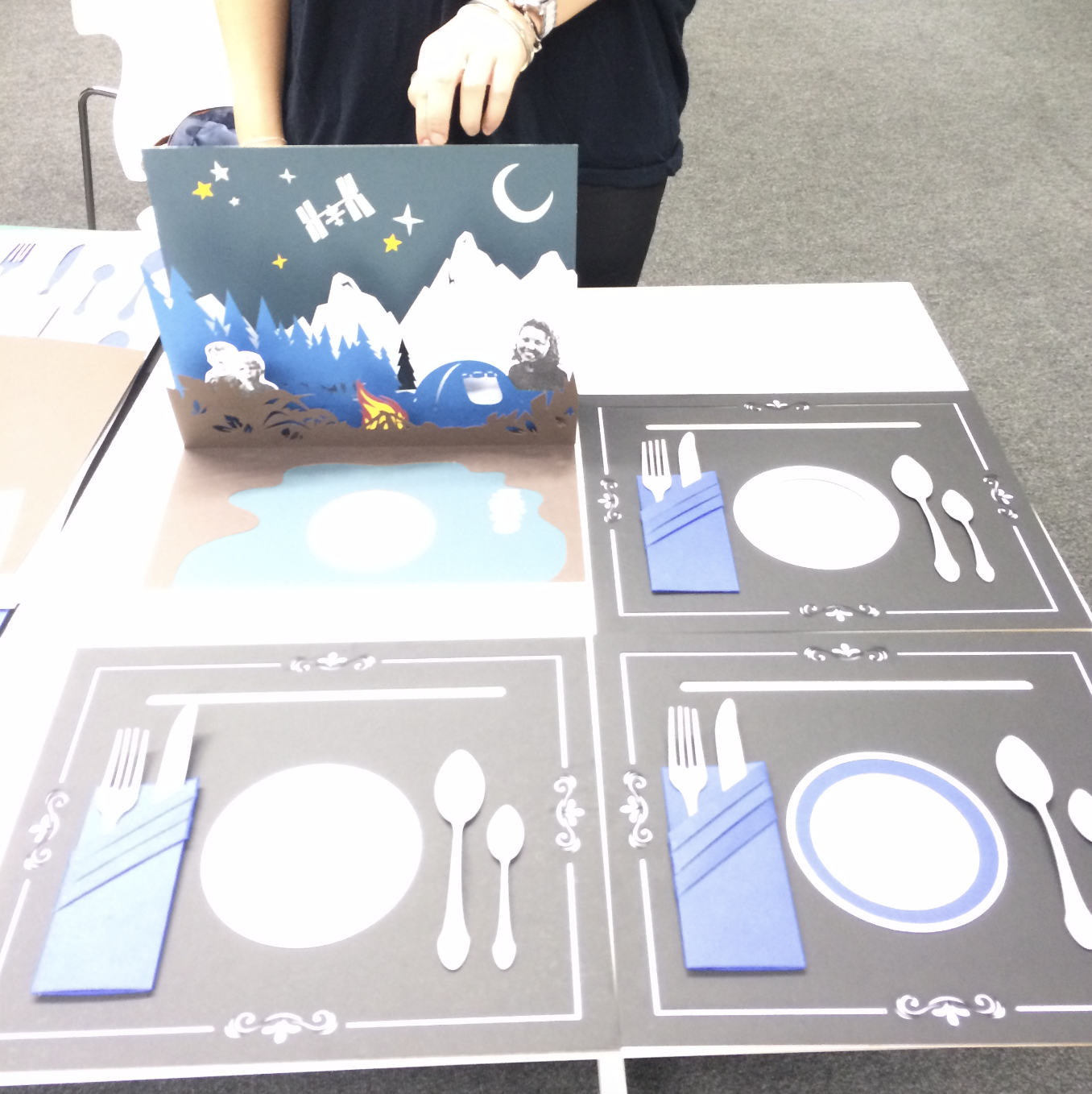
The concept took form as lightweight, interactive food packaging trays that opened like books, revealing personal narratives in a tactile and immersive way. Following NASA’s guidance, weight was a key design consideration, with lightweight materials and construction methods explored to minimise additional mass and avoid unnecessary impact on spacecraft fuel consumption.
The work translated memory into experience, introducing familiarity, emotion and reflection into an otherwise highly controlled environment. Through materiality, sequencing and storytelling, the project proposed an alternative approach to space dining rooted in human connection and emotional wellbeing.
PAPER AS A MATERIAL:
Despite the advanced technology that enables space travel, the project returned to one of the simplest and most familiar materials: paper. Lightweight, adaptable and reliable, paper offered a practical way to create an interactive experience without adding unnecessary complexity or weight. The contrast became part of the idea itself: in a highly technological environment, sometimes the simplest materials can create the most human experiences.
FOOD PACKAGING SAMPLES:
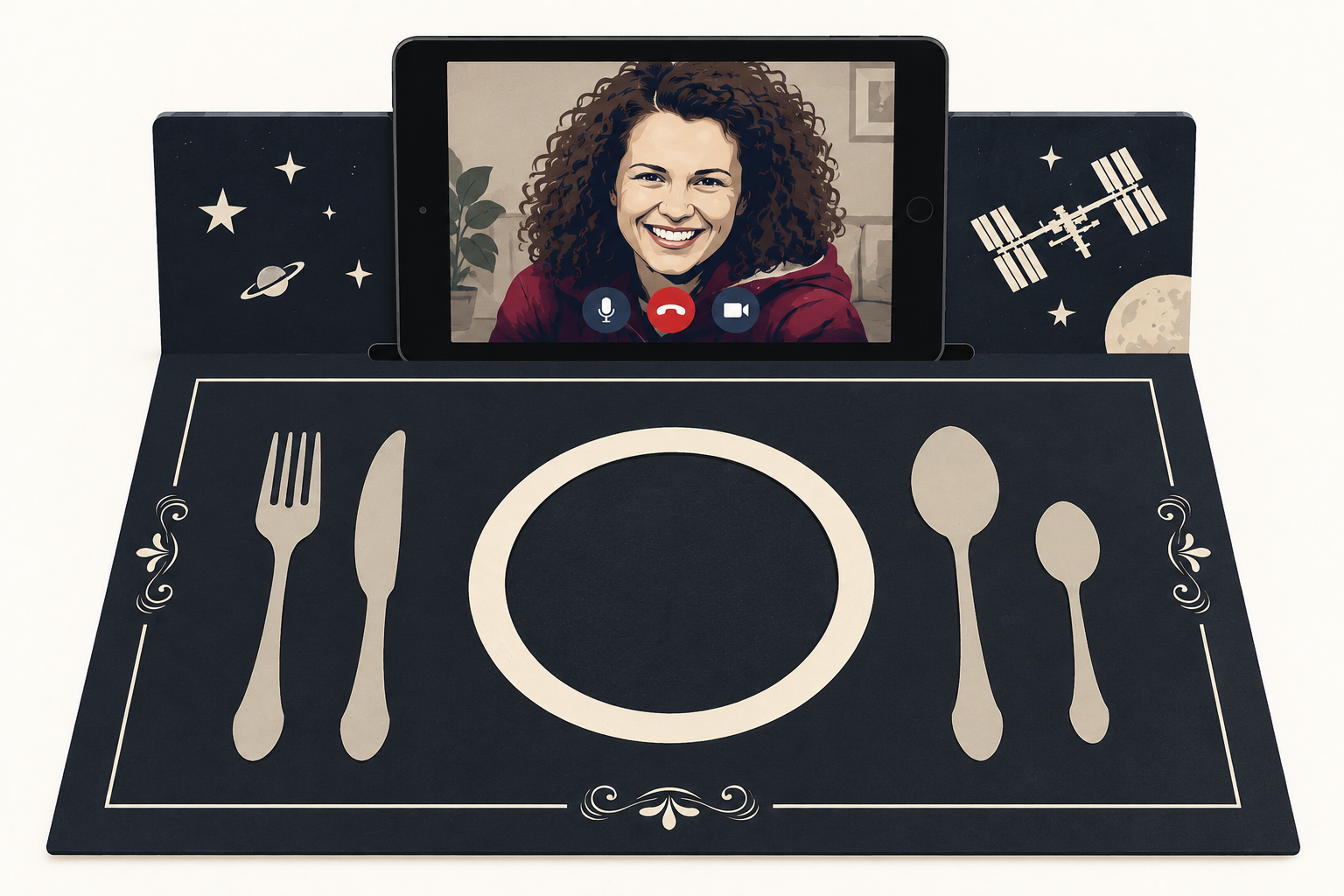
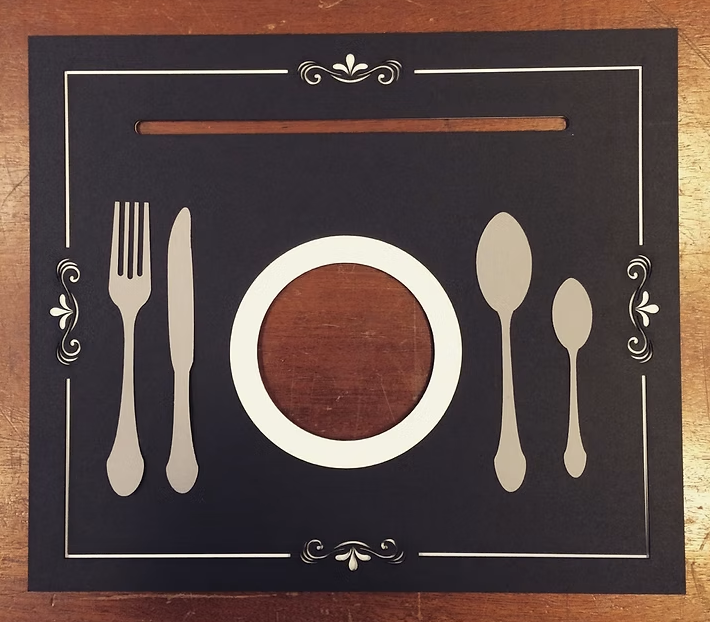
Fine-Dine Tray
A fine-dine mat designed to hold the food tin in the plate opening and an iPad in the slit at the top. The mat would allow Tim to connect with his wife through audio and video, creating the experience of dining together.

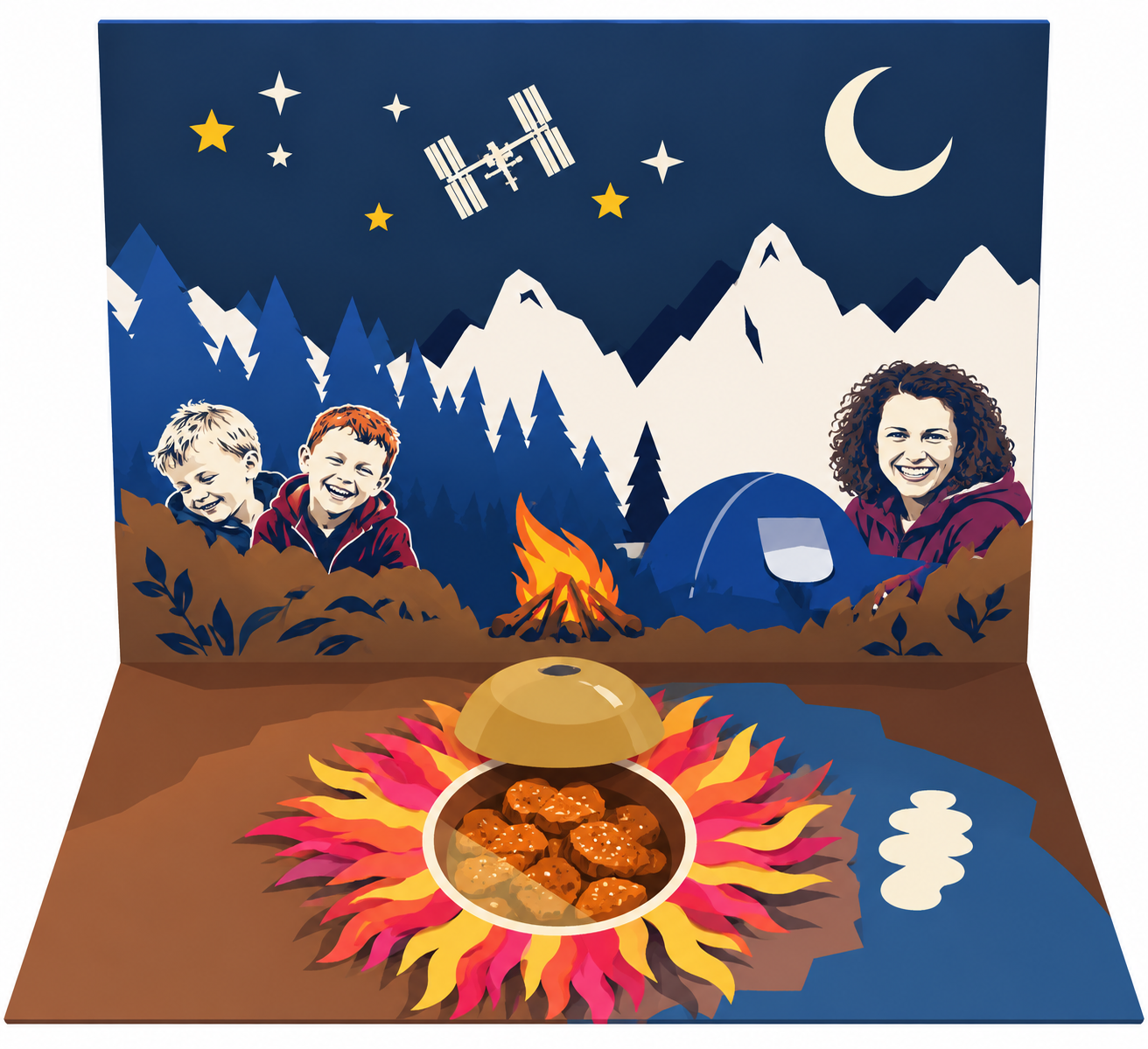
Nostalgic Tray
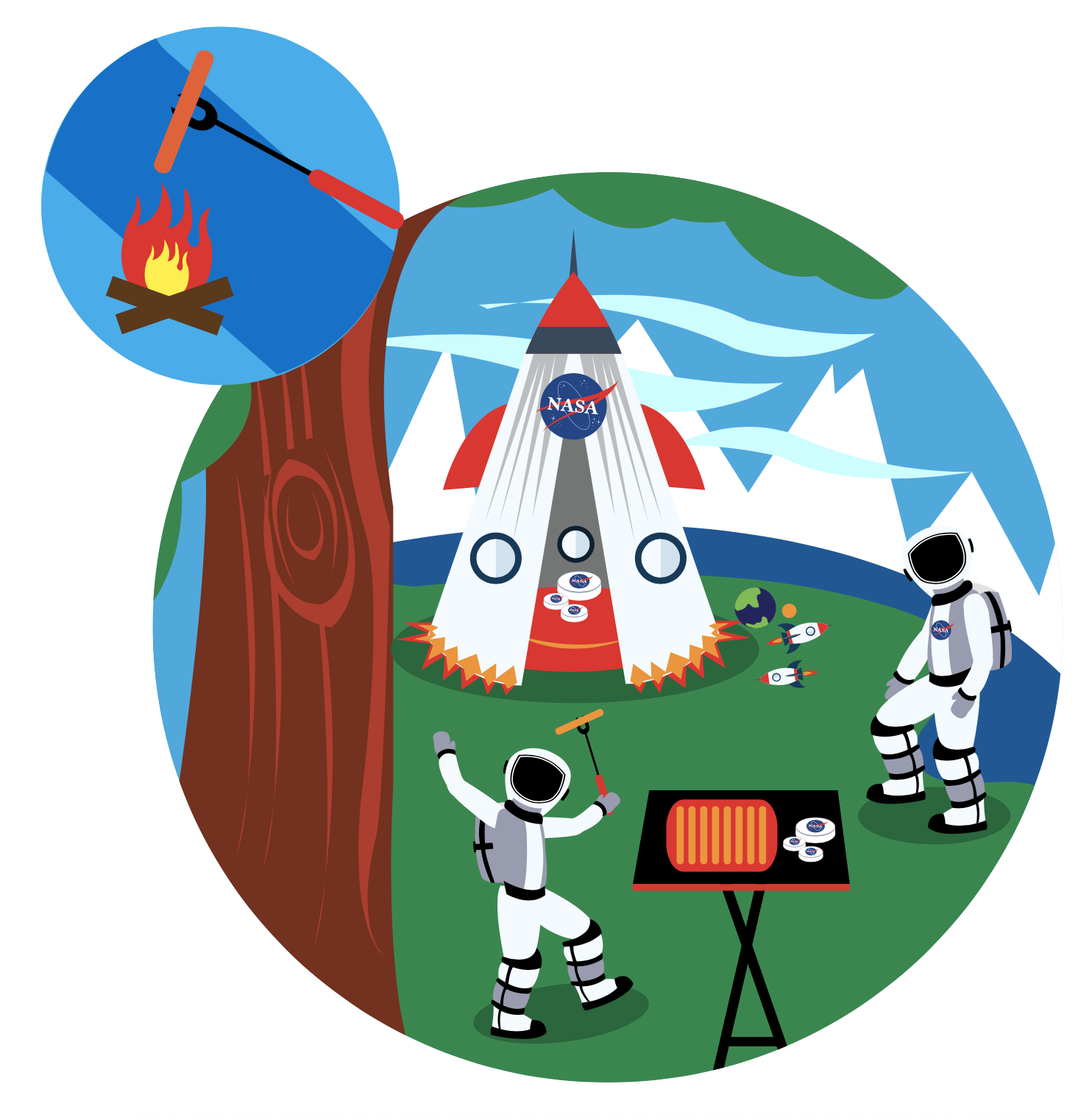
A visually engaging mat featuring illustrations inspired by camping and family photographs. The mat would reconnect Tim with memories of nature and the outdoors on Earth, creating a familiar and nostalgic dining experience.
STILLS FROM THE DOCUMENTARY:

IMPACT:
Featured in Heston's Dinner in Space, broadcast on Channel 4 and reaching a wide national and on-demand on Apple TV audience in UK and beyond
Part of a high-profile collaboration with NASA and Heston Blumenthal, increasing visibility across design, media and scientific communities
Contributed to conversations around life in space by highlighting emotional wellbeing and human connection aboard the International Space Station
Demonstrated the role of design as a storytelling tool within interdisciplinary, real-world context